
The Mi’kmaq Epekwitnewaq Kapmntemuow (the PEI Mi’kmaq Nation Government) and the Government of Canada have taken two major steps to protect, manage, and celebrate Epekwitk’s lands through co-management and shared decision-making.
These are not just policy documents. They are a formal acknowledgment that this land has always been Mi’kmaq territory, and that the Epekwitnewaq Mi’kmaq have an inherent role as stewards of its natural and cultural heritage.
Two Agreements. One Shared Vision.
Pituamkek National Park Reserve Establishment Agreement
Bee-doo-um-gek — “At the Long Sand Dune”
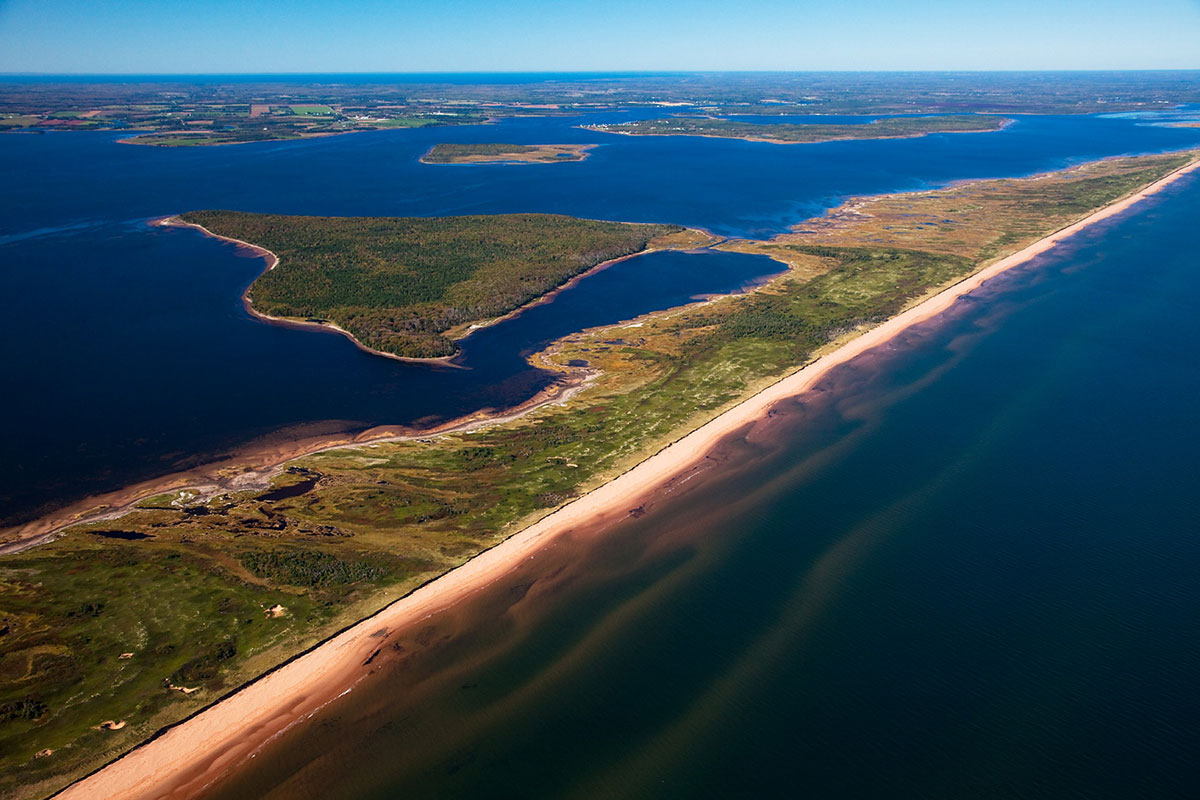
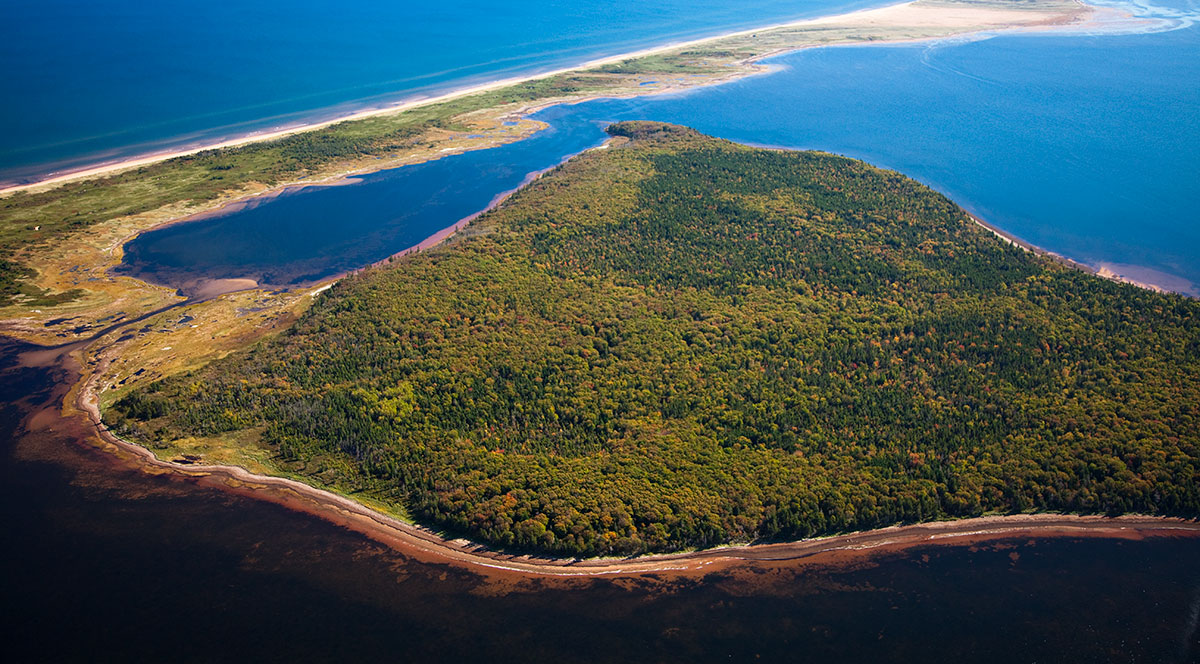
Pituamkek is a special place, and this agreement is special because the establishment of this new national park reserve was championed by the Mi’kmaq from the very beginning. This wasn’t a federal initiative that consulted Epekwitnewaq Mi’kmaq along the way. The Mi’kmaq Epekwitnewaq Kapmntemuow identified Pituamkek, built the case for its protection, and pushed for nearly twenty years until it became a reality.
The Hog Island Sandhills and surrounding waters have sustained Mi’kmaw families for generations — a place for fishing eels, gathering wild potatoes, and harvesting oysters, but also a place for ceremony, for celebration, and for simply being on the land that has always been home. Now these lands are protected.
Future generations of Epekwitnewaq Mi’kmaq will be able to fish, gather, paddle, and hold ceremony in the same places their ancestors did — and the Mi’kmaq hold genuine authority over how these lands are managed, who accesses them, and what stories get told there.
This provides a foundational step toward re-establishing Mi’kmaw governance over the lands and waters in Epekwitk.
Why it matters
- Protects Mi’kmaw cultural sites, ecosystems, and stories in a Mi’kmaw Heritage Landscape.
- Ensures a leadership role for Epekwitnewaq Mi’kmaq in all aspects of park development.
- Preserves lands where Mi’kmaw families have fished, gathered, and lived since time immemorial.
- The first national park reserve in PEI, and a model for Indigenous-led conservation.
What Happens Next
- Establishing the Pituamkek National Park Reserve Co-Management Board to guide planning and decisions.
- Completing land transfers to bring the full park reserve area under protection.
- Staffing the park with meaningful employment opportunities for Epekwitnewaq Mi’kmaq communities.
- Developing a Management Plan that reflects Mi’kmaw knowledge, values, and priorities.
- Planning for future infrastructure and programs, including a resource conservation program and visitor experience vision.
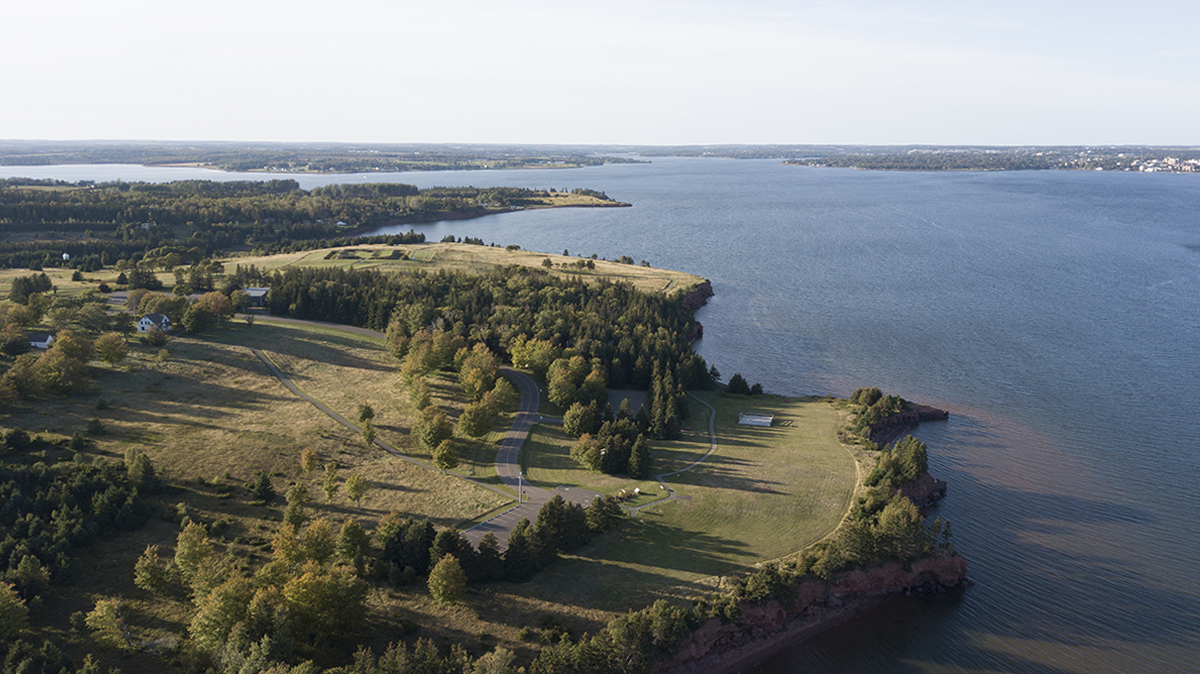
Toquktmekl Co-Management Agreement
Doh-gook-t-may-gul — “Tackling Projects Together”
Toquktmekl is about the existing PEI National Park and historic sites — the beaches, the dunes, the sites that draw visitors from across the country. For decades, these places were managed without the Epekwitnewaq Mi’kmaq at the table. That changes now.
This agreement ensures the Mi’kmaq have a formal voice in how these lands are planned, managed, and presented to the world.
The PEI National Park and Historic Sites Co-Management Board brings Mi’kmaw knowledge and perspective into the room where decisions are made, advising on everything from ecological stewardship to how Mi’kmaw history and culture are shared at places like Green Gables and Province House. It also creates a framework for Mi’kmaw communities to benefit economically from the lands their ancestors have always cared for.
What it Does
- Establishes the PEI National Park and Historic Sites Co-Management Board with equal Mi’kmaq and Parks Canada representation
- Supports cultural and environmental stewardship on existing park lands
- Encourages economic opportunities for Mi’kmaq communities
- Provides the framework for continued collaboration on management planning
- Recognizes and implements Peace and Friendship Treaty rights
What Happens Next
- Establishing the PEI National Park and Historic Sites Co-Management Board, the body that will provide advice and guidance.
- Scope spans management planning, ecological integrity, cultural heritage, visitor experience, permits, and economic opportunities
Shared Principles
Both the Pituamkek National Park Reserve Establishment Agreement and the Toquktmekl Co-management Agreement are guided by shared principles which include:
Netukulimk
neh-doo-goo-limgp
A Mi’kmaw concept built on achieving adequate standards of community nutrition and economic well-being without jeopardizing the integrity, diversity, or productivity of the environment. It is the principle that guides how the Epekwitnewaq Mi’kmaq have always approached resource use on these lands, and it is a shared value that both parties have committed to upholding under these agreements.
Seven Generations
A foundational Mi’kmaw teaching
A Mi’kmaw teaching that decisions made today should result in a sustainable world seven generations into the future. Under these agreements, this principle guides how both parties approach resource protection, land management, and decision-making — ensuring that the choices made now honour the needs of those who will inherit these lands.
Etuaptmumk
eh-doo-ahp-duh-mumk
— “Two-Eyed Seeing”
A Mi’kmaw concept that brings Indigenous knowledge and Western science together in equal measure, so that the strengths of both can inform decisions. Under these agreements, the Co-Management Board applies Two-Eyed Seeing to planning, research, monitoring, and management — drawing on Mi’kmaw knowledge holders and Parks Canada expertise together.
Together, these two agreements support a long-term approach to shared decision-making, protection of Mi’kmaw rights, and Mi’kmaw-led stewardship across Parks Canada places on Epekwitk.